Cleveland Cavaliers vs Pacers Match Player Stats: Complete Match Overview

Introduction
The Cleveland Cavaliers vs Pacers match player stats highlight a high-intensity NBA clash played on January 7, 2026, where execution in clutch moments decided the outcome. Both teams showcased balanced scoring, physical defense, and strong individual performances across the lineup.
Cleveland edged out Indiana 120–116 by controlling rebounds and converting key possessions late. With another matchup scheduled for Monday, April 6, 2026, this game offers valuable insight into how both teams stack up heading forward.
Match Overview & Final Score
In this exciting matchup, the Cavaliers outscored the Pacers 120–116 in a game that stayed close from beginning to end. Indiana led at various points, but Cleveland used balanced scoring and late-game execution to grab the lead and secure the win.
Cleveland’s offense was paced by its scorers hitting shots in rhythm, while the Pacers kept pressure on with both inside and perimeter scoring. The close score shows just how competitive the contest was throughout.
Indiana Pacers Key Players Stats
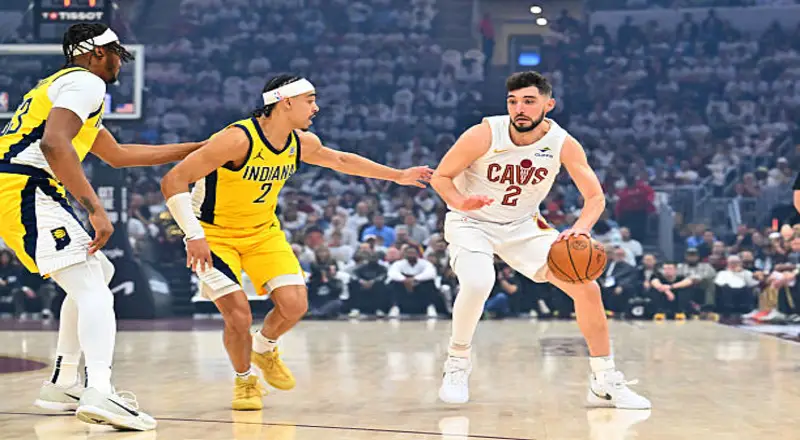
1. Andrew Nembhard
Nembhard led the Pacers’ offense with scoring and playmaking, keeping Indiana competitive through smart shot selection and assists.
- Points: 32
- Rebounds: 1
- Assists: 8
- Steals: 2
- Blocks: 0
- Turnovers: 3
Nembhard’s ability to drive to the basket and distribute the ball made him the focal point of the Pacers’ attack. His shooting efficiency helped Indiana stay in touch with the Cavaliers during key moments.
2. Pascal Siakam
Siakam dominated inside and outside, combining scoring with strong rebounding presence.
- Points: 26
- Rebounds: 9
- Assists: 4
- Steals: 1
- Blocks: 0
- Turnovers: 3
His mid-range and three-point shooting kept the defense honest, while his rebounds helped limit the Cavaliers’ second-chance points.
3. Bennedict Mathurin
Mathurin contributed with high-volume shooting and aggressive drives, energizing the Pacers’ offense.
- Points: 21
- Rebounds: 7
- Assists: 2
- Steals: 1
- Blocks: 1
- Turnovers: 3
His scoring bursts were essential in keeping Indiana within reach, especially in the third quarter when the Cavaliers tried to extend their lead.
4. Tony Bradley
Bradley offered a short but efficient presence in the paint, providing defensive stops and free-throw efficiency.
- Points: 2
- Rebounds: 0
- Assists: 1
- Steals: 0
- Blocks: 0
- Turnovers: 0
Though limited in minutes, Bradley contributed defensively and helped the team maintain spacing when starters rested.
5. Ben Sheppard
Sheppard struggled offensively but contributed with hustle and defensive awareness.
- Points: 0
- Rebounds: 5
- Assists: 5
- Steals: 2
- Blocks: 0
- Turnovers: 0
Sheppard’s activity on defense and willingness to support ball movement showcased the Pacers’ bench effort in a tough matchup.
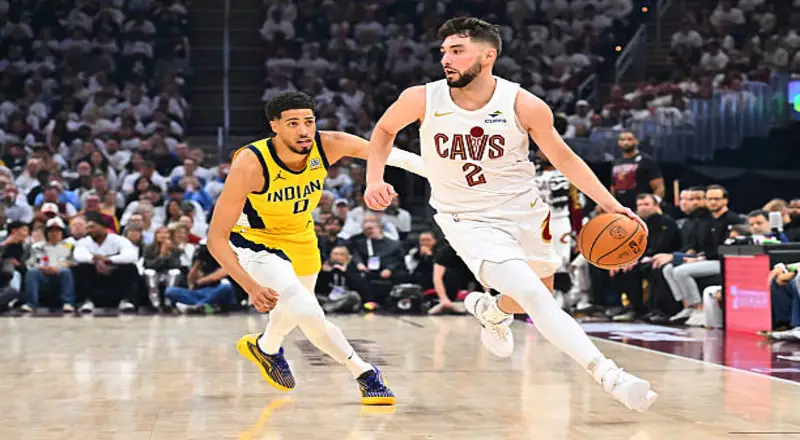
Cleveland Cavaliers Key Players Stats
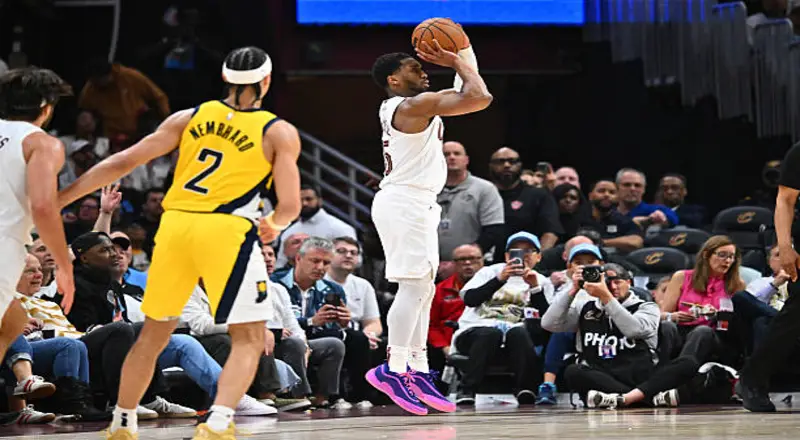
1. Donovan Mitchell
Mitchell dominated the scoring and playmaking for the Cavaliers, leading them to control most of the game tempo.
- Points: 32
- Rebounds: 9
- Assists: 5
- Steals: 1
- Blocks: 0
- Turnovers: 4
His ability to attack the rim, hit key threes, and facilitate the offense made him the centerpiece of Cleveland’s win.
2. Evan Mobley
Mobley anchored the paint on both ends, scoring efficiently and protecting the rim with blocks.
- Points: 22
- Rebounds: 12
- Assists: 4
- Steals: 0
- Blocks: 4
- Turnovers: 2
His double-double and defensive impact limited Indiana’s scoring opportunities, making him a crucial two-way player.
3. De’Andre Hunter
Hunter contributed with scoring versatility and perimeter defense, keeping the Cavaliers balanced.
- Points: 20
- Rebounds: 7
- Assists: 1
- Steals: 2
- Blocks: 0
- Turnovers: 1
Hunter’s three-point shooting and defensive awareness helped Cleveland maintain spacing and disrupt Pacers’ drives.
4. Darius Garland
Garland provided floor leadership, distributing the ball and creating scoring opportunities for teammates.
- Points: 20
- Rebounds: 2
- Assists: 7
- Steals: 0
- Blocks: 0
- Turnovers: 3
His control of the tempo and efficient passing made Garland the Cavaliers’ secondary playmaker behind Mitchell.
5. Jaylon Tyson
Tyson added scoring efficiency and rebounding support, complementing Mobley in the frontcourt.
- Points: 14
- Rebounds: 8
- Assists: 3
- Steals: 0
- Blocks: 0
- Turnovers: 0
His efficient shooting and support in rebounds gave Cleveland added stability during key stretches.
Team Stats Comparison
The overall numbers explain why this game stayed tight until the final minutes. Cleveland edged Indiana in efficiency and rebounding, while the Pacers relied more on ball movement and interior scoring.
| Stat Category | Cavaliers | Pacers |
|---|---|---|
| Field Goal % | 48.3% | 42.0% |
| Three-Point % | 37.1% | 29.7% |
| Free Throws | 21/27 | 24/26 |
| Total Rebounds | 52 | 43 |
| Assists | 28 | 25 |
| Turnovers | 14 | 12 |
Cleveland’s rebounding edge and slightly better shooting from deep proved decisive. Indiana moved the ball well but lost key possessions due to turnovers in the second half.
For a deeper comparison with another high-intensity NBA clash, check out our Denver Nuggets vs 76ers match player stats
Match Timeline & Momentum Shifts
The opening quarter featured fast-paced offense from both teams, with Indiana pushing tempo and Cleveland responding through half-court execution. Neither side created separation early, as lead changes were frequent.
Momentum shifted in the third quarter when Cleveland went on a short scoring run driven by Garland’s shot creation and Allen’s presence inside. Indiana responded behind Siakam’s physical play, keeping the game within one possession heading into the final stretch.
Late in the fourth quarter, Cleveland’s ability to slow the pace and convert key baskets gave them the edge. Indiana had chances to tie but failed to capitalize on consecutive possessions.
Offensive & Defensive Performance Breakdown
Cleveland’s offense was structured and patient. Garland controlled spacing, Mobley attacked mismatches, and Allen finished efficiently near the rim. This balance prevented Indiana from overloading on one scorer.
Defensively, Cleveland focused on protecting the paint and forcing contested perimeter shots. Allen and Mobley combined rim protection with disciplined rotations, limiting easy looks late in the game.
Indiana relied heavily on Siakam’s inside scoring and Nembhard’s playmaking. While effective for long stretches, Cleveland’s defensive adjustments in the fourth quarter reduced driving lanes and forced tougher shots.
Coaching & Tactical Decisions
Cleveland’s coaching staff leaned into size and defensive stability late, keeping Allen and Mobley on the floor together. This decision paid off by controlling rebounds and slowing Indiana’s interior attack.
Indiana’s rotations emphasized offense, which helped keep pressure on Cleveland but left them vulnerable defensively in critical moments. The contrast in late-game priorities ultimately favored Cleveland’s approach.
Both teams showed strong preparation, but Cleveland’s closing execution was cleaner and more composed.
Key Moments That Changed the Game
One defining stretch came midway through the fourth quarter when Cleveland converted back-to-back baskets while forcing a turnover on the other end. That brief run shifted momentum permanently.
Another turning point was Cleveland’s defensive stand in the final minute, where contested shots and secured rebounds prevented Indiana from forcing overtime.
These small sequences made the difference in a game where margins were razor thin throughout.
What This Match Tells Us About Both Teams
This latest Cavaliers vs Pacers matchup highlighted Cleveland’s identity as a disciplined, defense-first team that can still generate offense through structured sets. Their ability to control tempo and close games efficiently remains one of their biggest strengths.
Indiana, on the other hand, showed flashes of elite offensive potential but lacked consistency in late-game execution. Despite strong individual performances, small lapses on defense and turnovers proved costly against a composed Cavaliers lineup.
Both teams looked competitive and playoff-ready, but Cleveland’s balance between offense and defense gave them a clear edge when it mattered most.
Individual Player Impact Beyond the Box Score
While raw numbers tell one story, player influence extended well beyond points and assists. Darius Garland’s 25 points and 8 assists didn’t just boost Cleveland’s scoring — his shot creation forced Indiana’s defense to collapse repeatedly.
Evan Mobley’s 18 points and 9 rebounds understated his defensive value. His positioning disrupted passing lanes, while his ability to switch defensively limited Indiana’s flexibility late in the game.
For Indiana, Pascal Siakam’s 29-point performance anchored their offense. His physicality inside created foul pressure and kept the Pacers competitive even during scoring droughts.
Bench Contribution & Rotation Analysis
Cleveland’s bench played a controlled but effective role. While bench scoring wasn’t explosive, it provided stability and defensive energy, allowing the starters to maintain rhythm without forcing plays.
Indiana’s bench brought offensive sparks, particularly through perimeter shooting, but defensive consistency was an issue. Several second-unit possessions resulted in mismatches that Cleveland capitalized on.
Rotation discipline favored Cleveland, especially in the fourth quarter, where lineup continuity helped preserve momentum and execution.
Advanced Matchup Observations
One key tactical battle was Cleveland’s interior defense versus Indiana’s paint pressure. Jarrett Allen’s 14 rebounds and 3 blocks altered shot selection, forcing Indiana into tougher looks from mid-range.
Indiana attempted to counter with spacing and ball movement, as reflected in their 27 assists. However, Cleveland’s defensive rotations remained sharp, limiting clean catch-and-shoot opportunities.
This chess match between interior control and perimeter movement defined much of the game’s flow.
Key Takeaways for Future Matchups
Cleveland proved they can win close games through composure and execution rather than relying solely on scoring runs. Their defensive fundamentals and rebounding consistency remain reliable strengths.
Indiana showed offensive versatility but must tighten late-game decision-making. Reducing turnovers and improving defensive communication could quickly turn close losses into wins.
If these teams meet again, adjustments on both sides could lead to another tightly contested matchup.
Frequently Asked Questions (FAQs)
Who was the top scorer in the Cavaliers vs Pacers match?
Pascal Siakam led all scorers with 29 points, while Darius Garland topped Cleveland with 25 points.
How did Darius Garland perform in this matchup?
Garland recorded 25 points and 8 assists, controlling tempo and creating high-quality scoring chances throughout the game.
What impact did Evan Mobley have defensively?
Mobley contributed 18 points and 9 rebounds while anchoring Cleveland’s interior defense and limiting paint scoring.
Did the Pacers move the ball well offensively?
Yes, Indiana registered 27 assists, showing strong ball movement despite struggles in late-game execution.
Which team won the rebounding battle?
Cleveland edged Indiana on the boards, 46–42, with Jarrett Allen leading all rebounders.
What was the deciding factor in the game?
Cleveland’s defensive stops and efficient shot selection in the final minutes proved decisive.
How did bench players influence the outcome?
Cleveland’s bench provided stability, while Indiana’s bench offered scoring but lacked defensive consistency.
What does this result mean going forward?
Cleveland reinforced its reputation as a strong closing team, while Indiana identified clear areas for late-game improvement.
Final Thoughts
This Cavaliers vs Pacers matchup delivered competitive basketball, standout individual performances, and tactical depth on both sides. Cleveland’s structured offense and disciplined defense ultimately outlasted Indiana’s aggressive scoring approach.
With Garland’s leadership, Mobley’s defensive versatility, and Allen’s interior dominance, Cleveland showcased a well-rounded performance. Indiana, led by Siakam’s scoring and Nembhard’s playmaking, demonstrated potential but fell short in critical moments.
Overall, this game served as a strong benchmark for both teams and offered valuable insight into their strengths, weaknesses, and future adjustments.