LA Clippers vs Utah Jazz Match Player Stats: Key Moments & Takeaways

Quick Match Summary
The LA Clippers vs Utah Jazz match player stats from January 27, 2026, show a controlled Clippers win built on efficient shooting, defensive pressure, and balanced scoring. Los Angeles defeated Utah 115–103, dictating tempo early and never fully letting the Jazz settle into rhythm.
Introduction: Clippers Set the Tone Early
The LA Clippers vs Utah Jazz match player stats highlight a game where execution mattered more than volume. Los Angeles played composed basketball, trusted ball movement, and capitalized on Utah’s defensive gaps, especially on the perimeter.
This latest matchup played on Tuesday, January 27, 2026, felt like a statement win. The Clippers looked sharp, connected, and confident—exactly what fans expect from a playoff-ready roster. For readers tracking updated NBA performances on NBA Stats Time this game offered clear insight into where both teams stand right now.
Match Overview & Final Score
The Clippers secured a 115–103 victory over the Utah Jazz, controlling the game through efficient shooting (46.6% FG) and timely defensive stops. Los Angeles built momentum early and maintained it through disciplined half-court offense and strong perimeter defense.
Utah fought back in short stretches, led by strong wing scoring, but turnovers and missed opportunities at the rim stalled their runs. The Clippers consistently answered every push, showing poise that separated them late.
Overall Team Performance Snapshot
Both teams brought energy, but execution favored Los Angeles. The Clippers played with spacing and intent, while Utah struggled to convert pressure into sustained scoring.
This game fits neatly into the broader trend seen across recent match player stats where efficiency and lineup balance often outweigh raw scoring totals.
Team Performance Breakdown
LA Clippers – Controlled and Clinical
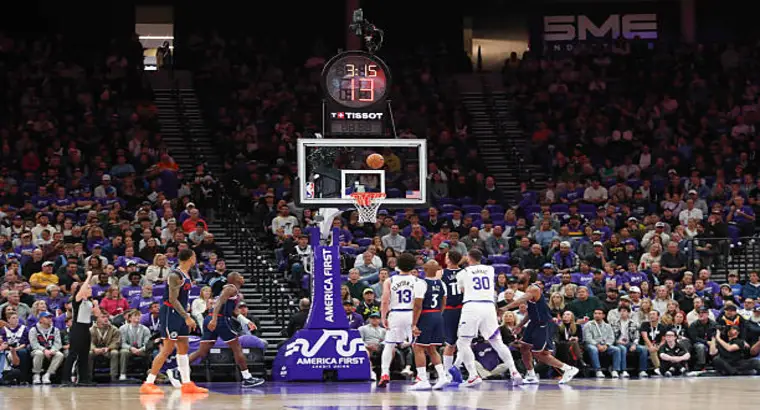
The Clippers looked like a team that knew exactly what it wanted. Ball movement was crisp, defensive rotations were sharp, and shot selection stayed disciplined. Watching live, it felt like Los Angeles was always one step ahead, especially during transition defense.
Their depth showed up quietly. Even when stars rested, the system held firm. This is the same structured identity seen in other Clippers match with 76ers but they loss the match.
Utah Jazz – Effort Without Flow
Utah showed fight, particularly from its wings, but consistency was missing. The Jazz moved the ball well at times, yet too many possessions ended without clean looks. Defensive lapses on the perimeter hurt them, especially against shooters who punished slow rotations.
Despite the loss, Utah’s young core flashed potential—just not enough cohesion to swing momentum.
LA Clippers – Top Performers Stats
1. Kawhi Leonard — Forward
Stats
- Points: 21
- Rebounds: 7
- Assists: 4
- Steals: 0
- Blocks: 1
- Turnovers: 2
- Free Throws: 0/0
- Plus/Minus: +24
- Three-Pointers: 3/7
- Field Goals: 9/18
Performance Insight:
Kawhi controlled the game quietly but decisively. His shot selection, defensive positioning, and calm presence during key stretches shifted momentum in the Clippers’ favor.
2. James Harden — Guard
Stats
- Points: 16
- Rebounds: 3
- Assists: 10
- Steals: 4
- Blocks: 0
- Turnovers: 2
- Free Throws: 3/4
- Plus/Minus: +5
- Three-Pointers: 3/8
- Field Goals: 5/14
Performance Insight:
Harden dictated tempo like a true floor general. His passing opened lanes, and timely threes punished Utah whenever they collapsed defensively.
3. Kris Dunn — Guard
Stats
- Points: 14
- Rebounds: 2
- Assists: 2
- Steals: 5
- Blocks: 0
- Turnovers: 1
- Free Throws: 0/0
- Plus/Minus: +15
- Three-Pointers: 2/4
- Field Goals: 6/10
Performance Insight:
Dunn was disruptive on defense all night. His steals led directly to transition buckets, giving the Clippers extra possessions and energy.
4. Brook Lopez — Center
Stats
- Points: 14
- Rebounds: 5
- Assists: 0
- Steals: 0
- Blocks: 1
- Turnovers: 0
- Free Throws: 3/3
- Plus/Minus: +13
- Three-Pointers: 3/6
- Field Goals: 4/7
Performance Insight:
Lopez stretched the floor perfectly. His ability to pull Utah’s bigs away from the paint opened driving lanes for Clippers guards.
5. John Collins — Forward
Stats
- Points: 11
- Rebounds: 2
- Assists: 1
- Steals: 0
- Blocks: 0
- Turnovers: 2
- Free Throws: 1/2
- Plus/Minus: +10
- Three-Pointers: 2/5
- Field Goals: 4/9
Performance Insight:
Collins played a complementary role, knocking down open looks and maintaining physicality inside without disrupting offensive flow.
6. Ivica Zubac — Center
Stats
- Points: 9
- Rebounds: 7
- Assists: 3
- Steals: 0
- Blocks: 0
- Turnovers: 3
- Free Throws: 1/2
- Plus/Minus: +7
- Three-Pointers: 0/0
- Field Goals: 4/6
Performance Insight:
Zubac focused on efficiency and screens. His interior presence helped stabilize the Clippers whenever Utah threatened a run.
LA Clippers Bench Contribution Analysis
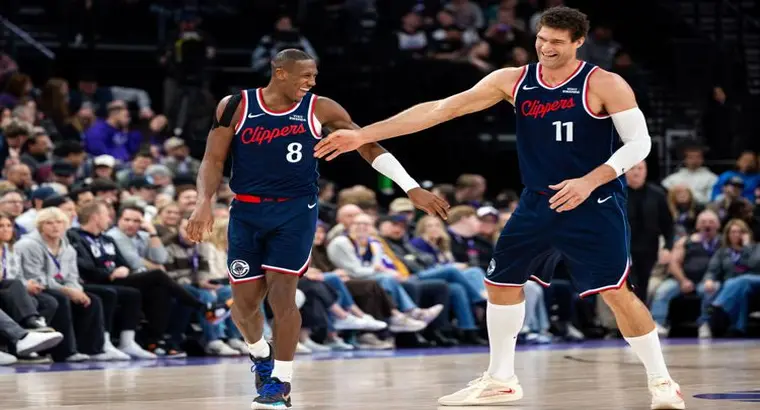
The Clippers’ bench delivered balance rather than fireworks. Nicolas Batum and Jordan Miller provided spacing and free-throw pressure, while Kobe Sanders added hustle minutes. This second unit kept defensive intensity high and prevented momentum swings — a key reason the Clippers stayed in control.
Utah Jazz – Top Performers Stats
1. Ace Bailey — Guard
Stats
- Points: 20
- Rebounds: 1
- Assists: 0
- Steals: 0
- Blocks: 0
- Turnovers: 1
- Free Throws: 0/0
- Plus/Minus: −12
- Three-Pointers: 4/9
- Field Goals: 8/16
Performance Insight:
Bailey was Utah’s most aggressive scorer. His confidence from deep kept the Jazz competitive, especially during first-half stretches.
2. Lauri Markkanen — Forward
Stats
- Points: 19
- Rebounds: 5
- Assists: 4
- Steals: 0
- Blocks: 2
- Turnovers: 2
- Free Throws: 6/7
- Plus/Minus: −12
- Three-Pointers: 3/6
- Field Goals: 5/15
Performance Insight:
Markkanen showed versatility but struggled with efficiency. While he contributed across categories, defensive pressure limited his clean looks.
3. Brice Sensabaugh — Wing
Stats
- Points: 13
- Rebounds: 1
- Assists: 3
- Steals: 1
- Blocks: 0
- Turnovers: 0
- Free Throws: 0/1
- Plus/Minus: +13
- Three-Pointers: 1/3
- Field Goals: 6/11
Performance Insight:
Sensabaugh was a bright bench spark. His scoring bursts and positive plus/minus reflected strong two-way impact.
4. Isaiah Collier — Guard
Stats
- Points: 12
- Rebounds: 4
- Assists: 9
- Steals: 0
- Blocks: 0
- Turnovers: 1
- Free Throws: 4/4
- Plus/Minus: +1
- Three-Pointers: 0/2
- Field Goals: 4/9
Performance Insight:
Collier orchestrated Utah’s offense well. His passing created opportunities, but lack of perimeter shooting hurt spacing late.
5. Kyle Anderson — Forward
Stats
- Points: 12
- Rebounds: 3
- Assists: 5
- Steals: 1
- Blocks: 0
- Turnovers: 0
- Free Throws: 3/3
- Plus/Minus: +7
- Three-Pointers: 1/1
- Field Goals: 4/6
Performance Insight:
Anderson brought composure and smart decision-making. His efficiency stood out even as Utah struggled to keep pace.
6. Cody Williams — Forward
Stats
- Points: 11
- Rebounds: 2
- Assists: 0
- Steals: 2
- Blocks: 0
- Turnovers: 2
- Free Throws: 2/2
- Plus/Minus: −17
- Three-Pointers: 1/2
- Field Goals: 4/7
Performance Insight:
Williams showed flashes but defensive lapses hurt his impact. Despite solid shooting, he struggled to contain Clippers wings.
Utah Jazz Bench Contribution Analysis
Utah’s bench had scoring moments but lacked consistency. Sensabaugh and Filipowski showed promise, yet defensive breakdowns and turnovers prevented sustained momentum. Against a disciplined Clippers rotation, those gaps proved costly.
LA Clippers vs Utah Jazz — Team Stats Comparison
| Stat Category | Clippers | Jazz |
|---|---|---|
| Total Points | 115 | 103 |
| Field Goal % | 46.6% | 45.1% |
| Three-Point % | 39.1% | 36.4% |
| Free Throws | 15/21 | 17/21 |
| Total Rebounds | 39 | 40 |
| Assists | 27 | 28 |
| Turnovers | 11 | 15 |
| Steals | 10 | 6 |
| Blocks | 3 | 3 |
Analysis:
This was a game of control rather than explosion. The Clippers shot slightly better from deep and forced more turnovers, which quietly tilted the game their way. Utah stayed close in rebounds and assists, but extra mistakes erased those advantages.
Curuious to explore another NBA fantstic game? You can study the stats between Sacramento Kings vs Phoenix Suns match.
Momentum Shifts That Defined the Game
First Quarter – Clippers Set the Tone
The Clippers came out composed and efficient. Kawhi Leonard and James Harden controlled early possessions, while Utah relied heavily on perimeter shooting to stay in range. No big run yet — just steady pressure.
Second Quarter – Jazz Push Back
Utah found rhythm through Ace Bailey and Markkanen, briefly cutting into the lead. However, bench defense from the Clippers prevented any full momentum swing, keeping the margin manageable.
Third Quarter – Turning Point
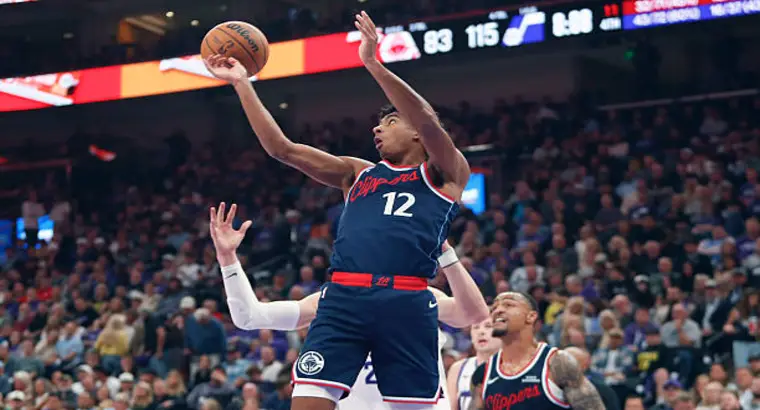
This is where the game tilted. Defensive stops by Kris Dunn led to transition scores, and Brook Lopez stretched the floor with timely threes. Utah struggled with turnovers during this stretch, allowing the Clippers to build separation.
Fourth Quarter – Clippers Close Clean
Instead of forcing shots, Los Angeles slowed the pace. Harden orchestrated, Kawhi picked spots, and Utah never fully recovered. The Jazz had chances, but execution favored the Clippers down the stretch.
Game Flow & Tactical Control
From start to finish, this felt like a veteran-led performance. The Clippers never rushed possessions and consistently made Utah work late into the shot clock. That patience showed up in plus/minus numbers across the rotation.
Utah’s offense flashed potential, but defensive rotations lagged, especially against shooters spaced beyond the arc.
What This Game Reveals Going Forward
This matchup reinforced the Clippers’ identity: controlled pace, defensive discipline, and star efficiency without chaos. When games slow down, they look comfortable.
Utah, meanwhile, showed promise but highlighted areas that need tightening — particularly ball security and perimeter defense. These patterns matter for anyone following season-long trends across NBA stats and upcoming matchups.
Key Takeaways from Clippers vs Jazz
- The Clippers controlled tempo and execution, especially after halftime.
- Kawhi Leonard and James Harden dictated possessions without forcing shots.
- Utah Jazz showed offensive depth but struggled with turnovers and late rotations.
- Three-point efficiency and defensive pressure were the biggest separators.
- Bench contributions favored the Clippers in stability, even without heavy scoring.
This game fit the Clippers’ veteran blueprint: stay composed, limit mistakes, and close strong.
Frequently Asked Questions (FAQs)
Who won the LA Clippers vs Utah Jazz last match?
The LA Clippers won the game 115–103, maintaining control through disciplined offense and defense.
Who was the top scorer in the match?
Kawhi Leonard led the Clippers with 21 points, while Ace Bailey topped the Jazz with 20 points.
How did James Harden perform in this game?
James Harden recorded 16 points and 10 assists, acting as the primary playmaker and pace-setter.
What hurt the Utah Jazz the most in this matchup?
Turnovers and defensive lapses, especially during the third quarter, disrupted Utah’s momentum.
Did bench players impact the result?
Yes. The Clippers’ bench provided defensive stability and spacing, while Utah’s bench lacked consistency.
What was the biggest statistical difference betweeb Clippers & Jazz?
Turnovers and three-point efficiency favored the Clippers, giving them cleaner scoring chances.
Is this performance important for future matchups?
Absolutely. It highlights trends in execution, rotations, and late-game control for both teams.
Final Opinion
This LA Clippers vs Utah Jazz match player stats breakdown reflects a game won through composure rather than chaos. The Clippers didn’t dominate every category, but they dominated decisions — better shot selection, fewer mistakes, and sharper execution when it mattered.
Utah showed flashes of strong offense and depth, yet small errors piled up against a disciplined opponent. For fans tracking patterns across recent games, this matchup serves as a clear reference point for how experience and structure can outweigh raw energy.
As the season progresses, performances like this become benchmarks — not just box scores, but lessons in game control, rotation discipline, and situational basketball.