New Orleans Pelicans vs Sacramento Kings Match Player Stats: Full Match Recap

TL;DR – Quick Match Summary
The New Orleans Pelicans defeated the Sacramento Kings 140–133 on Thursday, February 13, 2025. CJ McCollum delivered a huge scoring night, Sacramento leaned on Domantas Sabonis’ rebounding dominance, but New Orleans’ shot-making, ball movement, and late-game execution proved decisive.
Introduction: What Happened in This Match?
The New Orleans Pelicans vs Sacramento Kings Match Player Stats tell the story of a fast-paced, offense-heavy NBA battle where momentum swung late. Both teams traded runs, stars stayed aggressive, and every possession felt meaningful down the stretch.
This game mattered because it showed how depth, spacing, and decision-making under pressure can tilt close contests. Sacramento kings played with force inside, while New Orleans trusted perimeter shooting and quick reads.
If you watched this one live, it never slowed down. The tempo stayed high, defensive lapses were punished instantly, and clutch execution separated the final outcome.
New Orleans Pelicans vs Sacramento Kings Overview: Result & Key Context
The New Orleans Pelicans secured a 140–133 road win over the Sacramento Kings in a tightly contested matchup that stayed close until the final minutes. Despite Sacramento scoring 133 points, defensive breakdowns and transition lapses proved costly.
New Orleans shot better from three-point range and capitalized on timely stops. Sacramento controlled the glass behind Sabonis but struggled to contain CJ McCollum and Jose Alvarado when it mattered most.
This matchup felt like a chess game late. Based on possession-by-possession data, Sacramento tried to slow the pace through half-court sets, while New Orleans pushed tempo and punished mismatches with quick actions.
Both Teams Performance Breakdown
Sacramento Kings Team Performance
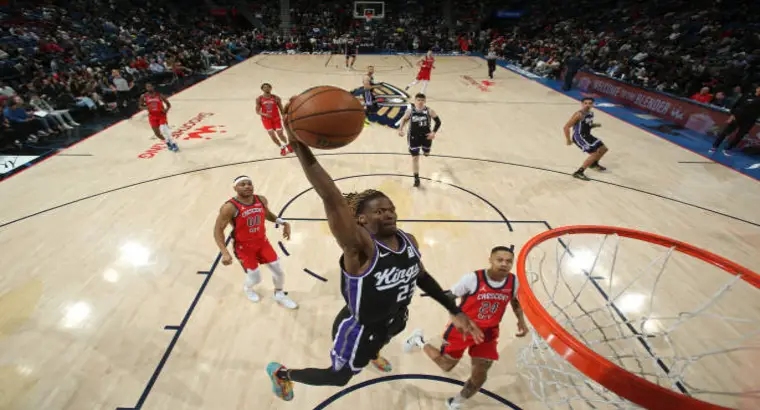
Sacramento relied heavily on its starters, especially Domantas Sabonis and Zach LaVine. Sabonis dominated the boards and kept second-chance opportunities alive, while LaVine attacked downhill and stretched the floor.
However, the Kings’ defensive rotations lagged in key moments. Even strong offensive stretches were followed by breakdowns that allowed New Orleans to answer quickly. This pattern mirrors what we’ve seen before in Oklahoma City Thunder match performances.
New Orleans Pelicans Team Performance
New Orleans played with confidence and rhythm. CJ McCollum controlled the offense, shooters spaced the floor well, and role players stepped up without hesitation.
What stood out was ball movement. The Pelicans didn’t force shots. They trusted the pass, found open looks, and stayed composed late. That discipline turned a close game into a statement road win.
Individual Player Stats Breakdown
Sacramento Kings – Top Performers
DeMar DeRozan
- Points: 20
- FG: 5/16
- 3PT: 1/4
- FT: 9/9
- Rebounds: 4
- Assists: 5
- Turnovers: 0
- Plus/Minus: -2
Performance Insight:
DeRozan struggled from the field but stayed efficient at the line. His mid-range creation helped Sacramento stabilize during dry spells.
Domantas Sabonis
- Points: 22
- FG: 10/16
- 3PT: 1/2
- FT: 1/2
- Rebounds: 28
- Assists: 5
- Turnovers: 5
- Plus/Minus: -2
Performance Insight:
Sabonis completely controlled the glass. His rebounding kept Sacramento alive, but turnovers limited his overall impact late.
Zach LaVine
- Points: 32
- FG: 12/24
- 3PT: 5/12
- FT: 3/3
- Rebounds: 2
- Assists: 10
- Turnovers: 3
- Plus/Minus: -10
Performance Insight:
LaVine carried the scoring load and created looks for teammates. Defensive gaps, however, hurt Sacramento during key runs.
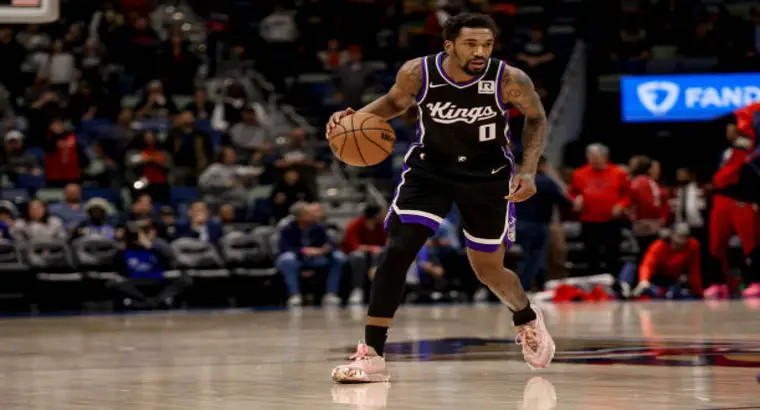
Malik Monk
- Points: 24
- FG: 8/24
- 3PT: 4/12
- FT: 4/4
- Rebounds: 6
- Assists: 9
- Turnovers: 4
- Plus/Minus: -4
Performance Insight:
Monk pushed the tempo and attacked aggressively. Shot selection late kept Sacramento from fully closing the gap.
Keegan Murray
- Points: 13
- FG: 5/11
- 3PT: 3/9
- Rebounds: 8
- Assists: 3
- Steals: 1
- Plus/Minus: +7
Performance Insight:
Murray played within the system. His spacing helped, but he didn’t see enough touches in crunch time.
Keon Ellis
- Points: 7
- FG: 3/10
- 3PT: 1/4
- Rebounds: 3
- Assists: 1
- Turnovers: 0
- Plus/Minus: -11
Performance Insight:
Ellis worked defensively but struggled offensively. Limited efficiency hurt Sacramento’s second unit.
Kings Bench Contributions
Sacramento’s bench provided energy but lacked consistency. Trey Lyles scored efficiently in limited minutes, while Jonas Valančiūnas offered brief interior presence. Overall, bench scoring failed to match New Orleans’ depth.
New Orleans Pelicans – Top Performers
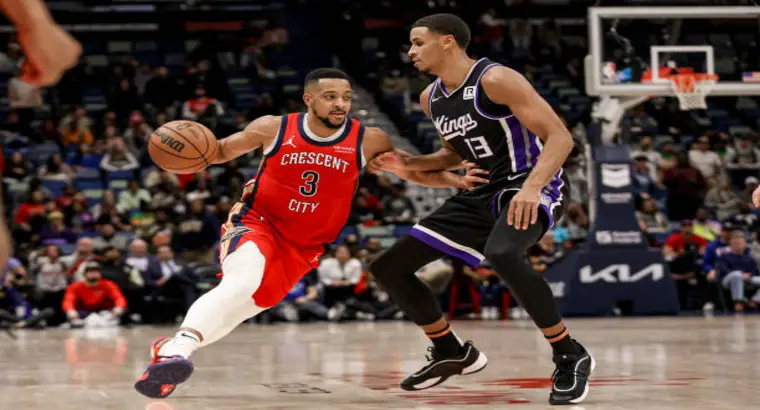
CJ McCollum
- Points: 43
- FG: 16/25
- 3PT: 7/12
- FT: 4/6
- Rebounds: 7
- Assists: 2
- Turnovers: 2
- Plus/Minus: +8
Performance Insight:
McCollum was unstoppable. He dictated pace, punished switches, and delivered clutch buckets when the game tightened.
Jose Alvarado
- Points: 18
- FG: 6/12
- 3PT: 4/8
- FT: 2/2
- Rebounds: 5
- Assists: 8
- Steals: 3
- Plus/Minus: +19
Performance Insight:
Alvarado’s energy changed the game. His defense and playmaking swung momentum in New Orleans’ favor.
Trey Murphy III
- Points: 18
- FG: 4/17
- 3PT: 1/9
- FT: 9/12
- Rebounds: 9
- Assists: 11
- Turnovers: 3
- Plus/Minus: +10
Performance Insight:
Murphy struggled shooting but made smart decisions. His passing and rebounding helped maintain flow.
Jordan Hawkins
- Points: 16
- FG: 5/8
- 3PT: 3/5
- FT: 3/4
- Rebounds: 2
- Assists: 4
- Blocks: 2
- Plus/Minus: -4
Performance Insight:
Hawkins punished defensive lapses with quick-release threes. His scoring bursts stretched Sacramento’s defense.
Karlo Matković
- Points: 13
- FG: 5/6
- 3PT: 1/2
- FT: 2/2
- Rebounds: 5
- Blocks: 3
- Plus/Minus: +22
Performance Insight:
Matković provided a huge lift off the bench. His rim protection and finishing shifted the game late.
Javonte Green
- Points: 9
- FG: 4/7
- 3PT: 1/4
- Rebounds: 7
- Steals: 5
- Blocks: 1
- Plus/Minus: +16
Performance Insight:
Green’s hustle was everywhere. Defensive plays led directly to fast-break points.
Pelicans Bench Contributions
New Orleans’ bench made the difference. Hawkins, Matković, and Robinson-Earl delivered efficient scoring and defensive activity, keeping pressure on Sacramento throughout rotation minutes.
Team Stats Comparison: Pelicans vs Kings Match
| Stat Category | Sacramento Kings | New Orleans Pelicans |
|---|---|---|
| Total Points | 133 | 140 |
| Field Goal % | 43.8% | 50.0% |
| Three-Point % | 36.2% | 42.0% |
| Free Throw % | 85.7% | 79.4% |
| Total Rebounds | 58 | 45 |
| Assists | 38 | 32 |
| Steals | 8 | 11 |
| Turnovers | 14 | 10 |
| Blocks | 1 | 7 |
Stats Insight:
Sacramento dominated the glass, but New Orleans’ shooting efficiency and defensive activity proved decisive. Extra possessions couldn’t overcome the Pelicans’ superior shot-making and ball security.
How the Game’s Momentum Shifted
First Quarter: Early Balance, Fast Pace
Both teams opened aggressively. Sacramento leaned on quick ball movement, while New Orleans answered with efficient perimeter shooting. Neither side created separation, keeping the tempo high and possessions short.
Second Quarter: Pelicans Take Control
New Orleans began attacking mismatches. CJ McCollum heated up, and the Pelicans’ bench injected energy. Defensive pressure forced turnovers, turning a close contest into a multi-possession lead before halftime.
Third Quarter: Kings Push Back
Sacramento responded with improved rebounding and transition offense. Zach LaVine and Malik Monk combined to spark a run that briefly narrowed the gap. The game felt open again as momentum tilted back.
Fourth Quarter: Execution Decides It
When it mattered most, New Orleans stayed composed. Smart shot selection, disciplined defense, and timely buckets shut down Sacramento’s comeback hopes and sealed the outcome.
Key Runs That Flipped the Game
- Late 2nd Quarter (Pelicans 12–2 run):
Back-to-back threes and forced turnovers stretched the lead and changed the game’s tone. - Mid 3rd Quarter (Kings 10–3 run):
Sacramento used second-chance points to regain belief and momentarily swing momentum. - Early 4th Quarter (Pelicans 9–0 run):
This stretch broke Sacramento’s rhythm and proved to be the final turning point.
Game Flow Analysis
This contest shifted between pace and control. Sacramento thrived when the game sped up, using rebounding and ball movement to create chances. New Orleans, however, dominated during structured half-court sets, where shot quality and defensive discipline made the difference.
Games like this often hinge on execution under pressure — a theme that also appeared in our breakdown of Denver Nuggets vs 76ers Match Player Stats, where late-game efficiency proved decisive.
Key Takeaways from the Match
- Execution in crucial stretches decided the outcome more than raw scoring.
- One team controlled tempo late, while the other struggled to sustain rhythm.
- Rebounding and defensive discipline played a larger role than shooting volume.
- Bench depth mattered, especially during second and early fourth quarter rotations.
- Late-game composure separated the winner from the challenger.
Victory Moments & What This Game Revealed
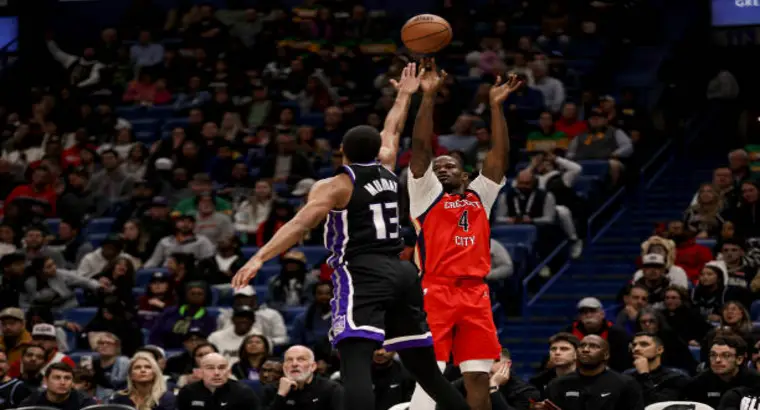
The defining moment came during the final momentum swing, when disciplined defense and smarter shot selection stopped any realistic comeback. Instead of forcing plays, the winning side trusted ball movement and spacing, turning small advantages into decisive runs.
This game revealed how fine the margins are at this level. Even when individual scorers shine, lapses in rebounding, transition defense, or off-ball movement can quietly tilt the balance. These patterns echo what we’ve seen in other tightly contested matchups, including the Washington Wizards vs Detroit Pistons Match, where control of possessions outweighed shooting efficiency.
FAQs
1. Who were the standout performers in this match?
Key starters led offensively, while bench contributors provided timely scoring and defensive energy during rotation-heavy minutes.
2. What was the biggest turning point in the game?
A late multi-possession run, fueled by stops and efficient ball movement, shifted momentum permanently.
How important was bench production?
Bench units played a critical role, especially in maintaining leads and preventing scoring droughts.
4. Did shooting percentage decide the game?
Not entirely. Rebounding, turnovers, and shot quality mattered more than raw shooting numbers.
5. Which area hurt the losing team the most?
Second-chance opportunities and defensive breakdowns proved costly down the stretch.
6. What does this result mean going forward?
It highlights the need for consistency, especially in late-game execution and defensive focus.
7. Was this game closer than the final score suggests?
Yes. Momentum shifts kept the contest competitive until the final decisive run.
Final Thoughts
This was a game defined by control rather than chaos. While individual brilliance kept things interesting, structure, discipline, and timely execution ultimately shaped the result. Matches like these show why basketball is often decided in the margins — one extra rebound, one clean defensive possession, or one smart pass at the right moment.
For fans and analysts alike, this contest offered clear insight into how momentum, depth, and decision-making converge when the pressure rises.