Timberwolves vs OKC Thunder Match Player Stats: A Comprehensive Analysis

Introduction
The Timberwolves vs OKC Thunder match player stats tell the story of a tightly contested NBA battle where execution, late-game composure, and star-level shot-making ultimately separated the two teams. This matchup felt intense from the opening tip and stayed competitive deep into the fourth quarter.
Both teams came in with clear identities. Oklahoma City leaned on pace, perimeter pressure, and Shai Gilgeous-Alexander’s ability to control the floor. Minnesota, meanwhile, trusted physicality, rebounding strength, and balanced scoring around Anthony Edwards and Julius Randle. What followed was a game that swung on small details — free throws, defensive rebounds, and timely buckets when momentum was on the line.
This wasn’t a blowout or a one-man show. The box score reflects a game where every possession mattered and where both teams had moments of control before Minnesota finally edged ahead. Looking closely at the Timberwolves vs OKC Thunder match player stats, it becomes clear how discipline, interior presence, and late-game decisions shaped the final outcome.
Timberwolves vs OKC Thunder Match Overview
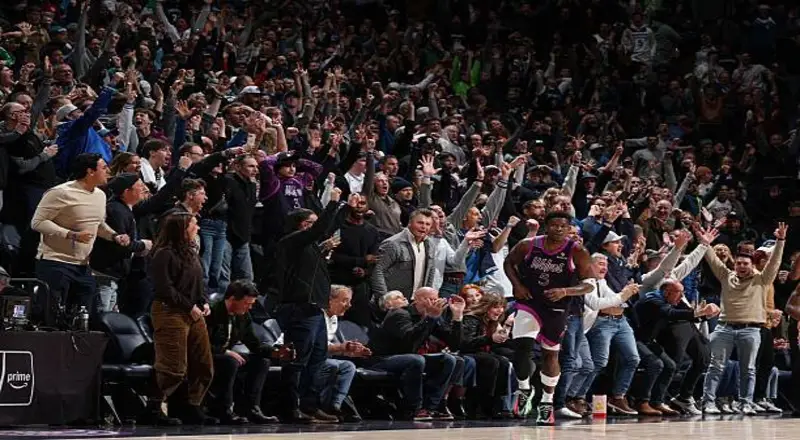
Minnesota Timberwolves emerged victorious with a 112–107 win, closing the game with stronger execution in the final stretches. While Oklahoma City showed flashes of dominance — especially through Shai Gilgeous-Alexander’s scoring and control — Minnesota consistently answered runs with smart shot selection and defensive stops.
OKC kept the pressure high through three quarters, using ball movement and aggressive guard play to stay within striking distance. However, Minnesota’s ability to draw fouls, control the defensive glass, and convert critical free throws tilted the game in their favor late.
From a broader view, this matchup highlighted two different styles colliding. The Thunder pushed speed and spacing, while the Timberwolves leaned into physical play, rebounding, and half-court stability. The Timberwolves vs OKC Thunder match player stats reflect that contrast clearly — and explain why Minnesota walked away with the win.
Both Teams Performance Overview
Oklahoma City Thunder – Team Performance Summary
Oklahoma City finished the night with 107 total points, shooting 37.0% from the field and 28.2% from three-point range. Despite strong free throw accuracy, their overall shooting efficiency made it difficult to sustain long scoring runs.
The Thunder collected 52 total rebounds and recorded 16 assists, showing effort on the glass but limited flow offensively. Turnovers and missed perimeter shots slowed momentum at key moments, especially when Minnesota tightened defensive pressure.
Defensively, OKC remained active, registering 7 steals and 10 blocks, but interior resistance and late-game rebounding became problem areas. The stats suggest strong defensive effort but inconsistent offensive execution when it mattered most.
Minnesota Timberwolves – Team Performance Summary
Minnesota posted 112 points, shooting 37.5% from the field and a more effective 35.1% from beyond the arc. Their biggest advantage came at the free throw line, where volume and timing played a decisive role.
The Timberwolves dominated the boards with 57 total rebounds, repeatedly limiting Oklahoma City’s second-chance opportunities. They also added 20 assists, reflecting better shot creation during half-court possessions.
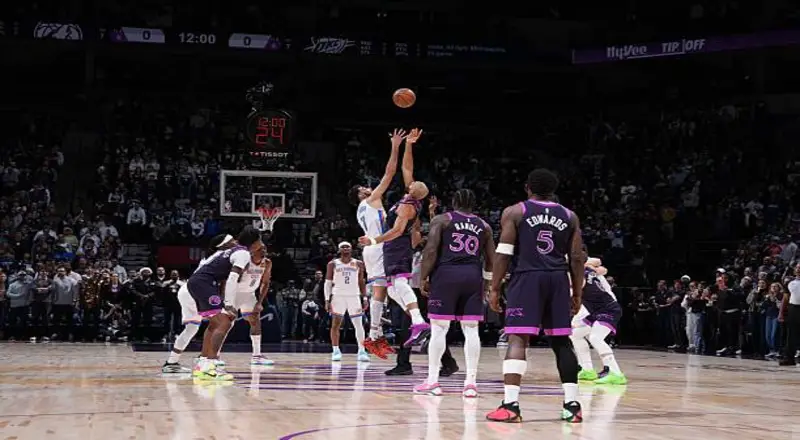
While Minnesota committed 13 turnovers, their ability to recover defensively and convert late free throws ensured those mistakes didn’t swing the game. The Timberwolves vs OKC Thunder match clearly show how rebounding and composure outweighed shooting struggles.
Oklahoma City Thunder Player Stats Breakdown
1. Shai Gilgeous-Alexander – Offensive Engine
Stats:
- Points: 35
- Field Goals: 12/26
- Three-Pointers: 3/7
- Free Throws: 8/8
- Rebounds: 5
- Assists: 7
- Steals: 2
- Blocks: 2
- Turnovers: 3
- Plus/Minus: +5
Performance Insight:
Shai controlled the game with calm confidence. He attacked mismatches, hit tough shots late in the clock, and kept OKC competitive until the final stretch.
2. Jalen Williams – Two-Way Contributor
Stats:
- Points: 17
- Field Goals: 6/16
- Three-Pointers: 2/4
- Free Throws: 3/4
- Rebounds: 7
- Assists: 2
- Steals: 2
- Blocks: 1
- Turnovers: 4
- Plus/Minus: -9
Performance Insight:
Williams stayed active on both ends. While his shooting was uneven, his defense and hustle plays helped OKC stay connected during Minnesota runs.
3. Chet Holmgren – Interior Presence
Stats:
- Points: 14
- Field Goals: 4/9
- Three-Pointers: 0/2
- Free Throws: 6/6
- Rebounds: 5
- Blocks: 2
- Turnovers: 0
- Plus/Minus: -8
Performance Insight:
Chet protected the rim well and finished efficiently inside. However, Minnesota’s physical play limited his overall impact on offense.
4. Luguentz Dort – Perimeter Defender
Stats:
- Points: 11
- Field Goals: 3/12
- Three-Pointers: 3/10
- Free Throws: 2/2
- Rebounds: 4
- Assists: 2
- Blocks: 1
- Turnovers: 1
- Plus/Minus: -7
Performance Insight:
Dort focused on defense and spacing. Though shots didn’t fall consistently, his energy helped slow Minnesota’s wings.
5. Ajay Mitchell – Bench Scorer
Stats:
- Points: 14
- Field Goals: 5/10
- Free Throws: 4/4
- Rebounds: 2
- Assists: 2
- Turnovers: 0
- Plus/Minus: -5
Performance Insight:
Mitchell provided a scoring lift off the bench. His attacks kept OKC alive when starters rested.
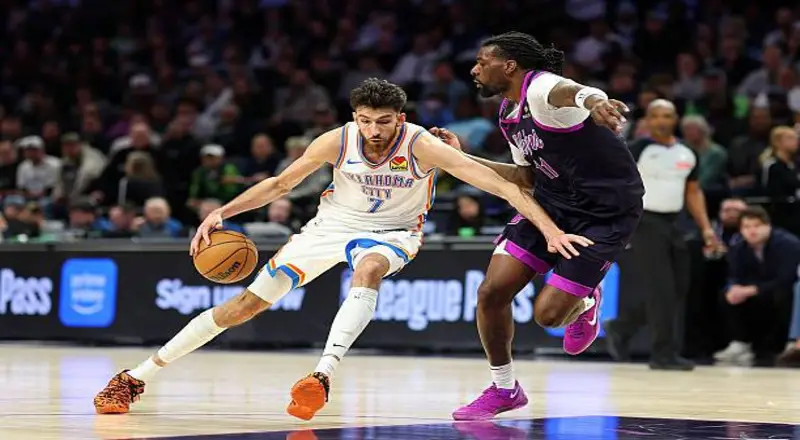
Minnesota Timberwolves Player Stats Breakdown
1. Anthony Edwards – Star Performer
Stats:
- Points: 26
- Field Goals: 9/20
- Three-Pointers: 3/6
- Free Throws: 5/6
- Rebounds: 12
- Assists: 3
- Steals: 3
- Blocks: 2
- Turnovers: 3
- Plus/Minus: 0
Performance Insight:
Edwards played with force and confidence. His shot-making and defense set the tone, especially during key momentum swings.
2. Julius Randle – Physical Scorer
Stats:
- Points: 19
- Field Goals: 3/15
- Three-Pointers: 1/4
- Free Throws: 12/16
- Rebounds: 8
- Assists: 5
- Turnovers: 2
- Plus/Minus: +10
Performance Insight:
Randle struggled from the field but stayed aggressive. Drawing fouls and making plays helped Minnesota maintain control.
3. Rudy Gobert – Paint Controller
Stats:
- Points: 9
- Field Goals: 3/7
- Free Throws: 3/7
- Rebounds: 14
- Assists: 1
- Turnovers: 2
- Plus/Minus: 0
Performance Insight:
Gobert owned the glass. His rebounding limited second-chance points and anchored Minnesota’s interior defense.
4. Donte DiVincenzo – Perimeter Spark
Stats:
- Points: 15
- Field Goals: 5/12
- Three-Pointers: 4/10
- Free Throws: 1/3
- Rebounds: 4
- Assists: 1
- Turnovers: 1
- Plus/Minus: +12
Performance Insight:
DiVincenzo’s shooting stretched OKC’s defense. His timely threes helped Minnesota separate late.
5. Naz Reid – Bench Impact
Stats:
- Points: 15
- Field Goals: 5/10
- Free Throws: 5/7
- Rebounds: 6
- Assists: 2
- Steals: 3
- Blocks: 2
- Turnovers: 1
- Plus/Minus: 0
Performance Insight:
Reid brought energy and balance off the bench. His scoring and defense kept Minnesota steady during rotation minutes.
Team Stats Comparison: Timberwolves vs OKC Thunder
| Stat Category | Thunder | Timberwolves |
|---|---|---|
| Total Points | 107 | 112 |
| Field Goal % | 37.0% | 37.5% |
| Three-Point % | 28.2% | 35.1% |
| Free Throw % | 93.3% | 70.2% |
| Total Rebounds | 52 | 57 |
| Assists | 16 | 20 |
| Turnovers | 11 | 13 |
| Steals | 7 | 8 |
| Blocks | 10 | 6 |
Minnesota’s rebounding edge and better three-point shooting made the difference. OKC stayed close through Shai’s scoring, but missed perimeter shots and limited second-chance opportunities shifted the game late. This trend is clear when reviewing recent OKC Thunder games through detailed match player stats, where strong individual performances kept contests competitive, yet rebounding gaps and outside shooting efficiency ultimately decided the outcome
Momentum Shifts That Defined the Timberwolves vs OKC Thunder Game
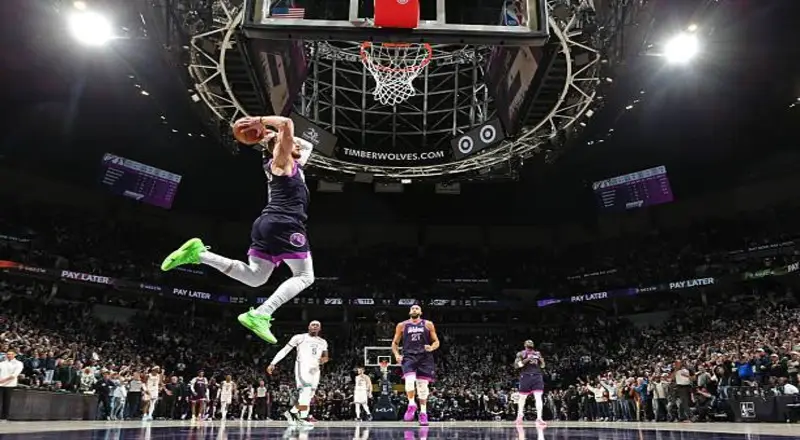
Early Control: Timberwolves Set the Tone
Minnesota started the game with strong defensive energy. Anthony Edwards attacked early, while Rudy Gobert controlled the paint. This helped the Timberwolves limit OKC’s easy looks and slow their transition game.
Oklahoma City stayed close through Shai Gilgeous-Alexander’s shot creation, but missed perimeter shots stopped them from building early momentum.
Second-Quarter Push: Thunder Fight Back
OKC made a short run in the second quarter behind Shai’s scoring and bench points from Ajay Mitchell. Their free-throw accuracy kept them within reach despite poor three-point shooting.
Minnesota responded by attacking inside and winning rebounds. Julius Randle’s ability to draw fouls helped stop OKC’s momentum before halftime.
Third-Quarter Swing: Minnesota Gains Control
The third quarter was the biggest turning point. Minnesota tightened defense, forced tough shots, and hit timely threes through Donte DiVincenzo.
OKC struggled from deep during this stretch, and the Timberwolves slowly built a lead by controlling rebounds and second-chance points.
Closing Minutes: Execution Decides It
In the fourth quarter, OKC pushed again behind Shai, but Minnesota stayed composed. Anthony Edwards made key plays on both ends, while Gobert secured critical rebounds.
Minnesota’s shot selection and spacing helped them close the game without panic.
For a broader look at how team balance and late-game execution can shape results, you can also explore Miami Heat vs Brooklyn Nets Match, which breaks down another matchup decided by efficiency and timely plays.
Quarter-by-Quarter Game Flow
First Quarter
Minnesota focused on defense and rebounding. Edwards set the tempo, while OKC relied heavily on Shai’s isolation scoring.
Second Quarter
The Thunder bench brought energy, but Minnesota’s physical play inside kept them ahead going into halftime.
Third Quarter
Minnesota created separation with better shooting and defensive stops. This quarter shaped the final outcome.
Fourth Quarter
OKC showed fight, but Minnesota’s control of possessions and rebounding sealed the win.
What This Game Revealed
Minnesota showed why they are built for playoff-style basketball. Defense, rebounding, and controlled offense allowed them to manage pressure situations.
Oklahoma City showed strong individual talent, especially through Shai Gilgeous-Alexander. However, shooting consistency and half-court execution remain areas for growth.
Key Takeaways from OKC Thunder vs Timberwolves Match
- Minnesota won the rebounding battle and controlled the paint
- OKC struggled from three-point range
- Shai Gilgeous-Alexander was the best scorer on the floor
- Anthony Edwards delivered impact on both ends
- Bench contributions favored Minnesota at key moments
- Shot selection decided late-game control
FAQs
Who was the top scorer in the Timberwolves vs Thunder match?
Who was the top scorer in the Timberwolves vs Thunder game?
Which team won the game?
The Minnesota Timberwolves won the game with a final score of 112–107.
What was the biggest difference in the match?
Rebounding and three-point shooting gave Minnesota the edge.
How did Anthony Edwards perform?
Anthony Edwards scored 26 points and contributed rebounds, defense, and key plays late.
Did bench players impact the Timberwolves vs OKC Thunder game?
Yes. Naz Reid and Donte DiVincenzo provided strong bench support for Minnesota.
Why did OKC struggle late?
Missed perimeter shots and fewer second-chance opportunities hurt OKC late.
What does this game say about Minnesota?
It shows Minnesota can win through defense, control, and smart execution.
What should OKC improve next?
Outside shooting consistency and half-court decision-making.
Final Thoughts
The Timberwolves vs OKC Thunder match player stats tell a clear story. Minnesota won through discipline, rebounding, and calm execution. Oklahoma City showed heart and talent, but small mistakes added up.
This game highlighted the difference between structure and speed. Minnesota stayed patient. OKC played aggressive. In the end, control beat momentum.
For fans who enjoy real basketball insights, this matchup delivered a strong lesson in winning basketball.